
I can’t claim to be an expert on Stephen King, despite having read a few of his stories and being quite familiar with dozens of adaptations of his works. Still, I at least know that King had a run of stories under the Richard Bachman pen name, which veered away from more straightforward horror and more into sci-fi realms. In this sense, both the original The Running Man novel and the previous Arnold Schwarzenegger-starring movie are outliers in King’s legacy, given their dystopic and satirical tones. Acclaimed genre filmmaker Edgar Wright is stepping into the world of King with a new take on The Running Man, and despite the impressive reputation of King, Wright, and leading man Glen Powell, the movie fails to offer anything that makes the best use of any of their talents.
In the not-too-distant future, there’s never been a stronger divide between the haves and the have-nots, with the wealthy leading cushy lifestyles as the poor struggle to survive in slums. To exploit the less fortunate, one TV network subjects the poor to game shows that come with massive rewards, yet at the cost of bodily harm. In hopes of saving his family, Ben Richards (Powell) joins “The Running Man” competition, which tasks him with surviving for 30 days without being apprehended and killed by “Hunters.” Every day he survives, the more money his family gets, though as the hunt for him intensifies, Richards uncovers that, shockingly, this TV network might be taking part in duplicitous manipulation of their audience.

The Running Man was published in 1982, and in the last four decades, audiences have been given countless stories of dystopic competitions. From Battle Royale to The Hunger Games to The Maze Runner to Series 7: The Contenders to Squid Game, virtually every new take on the concept is compared to a predecessor. Even just two months ago, fans were given an adaptation of another dystopian competition story from Stephen King with The Long Walk. Even if the source material predates most of these stories, the entire premise of the movie is conceptually redundant, only for the movie itself to also feel entirely redundant. Admittedly, while the 1987 movie merely embraced the concept of a game show with deadly consequences and this new take is much more faithful to the longterm game of the source material, there’s still not much about the overall narrative that feels like we haven’t seen it before, and better.
Thanks to Shaun of the Dead and Hot Fuzz and Scott Pilgrim vs. the World, Wright proved himself to be one of this generation’s more exciting, kinetic, and creative filmmakers. When he wrapped up his Cornetto Trilogy with The World’s End, he delivered more straightforward projects like Baby Driver and Last Night in Soho, and while these movies scrapped much of the metatextual comedy of the Cornetto Trilogy, they still have their moments of inspiration and inventiveness. The Running Man, however, is easily the least ambitious project of the filmmaker’s entire career. Wright previously blew audiences away with not just his clever sense of humor, but also his unique eye for action sequences; while many filmmakers who blended together genres could only effectively execute one tone and fell short with others, Wright somehow was just as good at comedy as he was at horror, sci-fi, and action. The Running Man, though, fails to deliver anything as funny or anything as thrilling as he’s previously delivered.
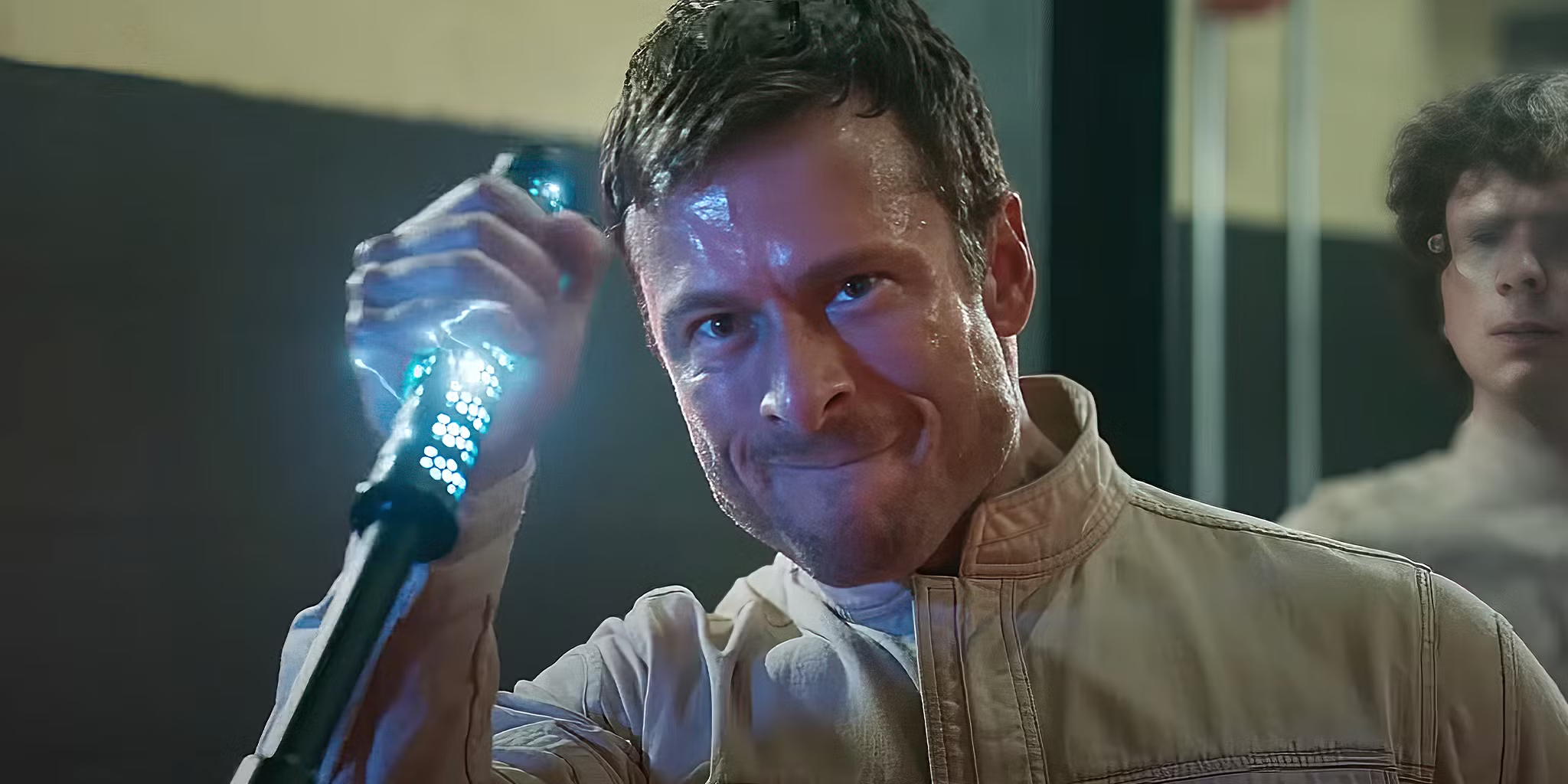
As a fan of Wright’s, it’s truly shocking to see how unfunny and unexciting this entire movie is, making it an exhausting chore at a 133-minute run time. It’s not actively abysmal, though none of the jokes evoked anything more than a polite chuckle out of me, and I don’t think I saw more than a handful of shots or sequences that made me actually interested in the energy Wright attempted to inject into the story. I won’t slander all of the other contemporary action filmmakers who have delivered entirely bland action experiences over the last ten years, but there sure are plenty, and had I not known this was Edgar Wright, I would have assumed it was any of his generic peers. Knowing that many movies have been made merely so a studio could retain rights to a property as opposed to having a unique story to tell, this movie entirely felt like it was made on assignment so that Wright could get a paycheck and the studio could revisit Running Man further down the line with a more clever angle. This Running Man feels about as exciting as the Total Recall or RoboCop reboots.
People seem to keep trying to make Glen Powell “A Thing,” and I typically enjoy what he brings to projects. From his stint on Ryan Murphy’s Scream Queens to Everybody Wants Some!! to Twisters, he does bring charm to a project, though movies like Anybody but You and Hit Man made me doubt whether he was taking on the right roles. (Yes, I also know he was in Top Gun: Maverick, and while he was fine in that movie, it never became something more than a decades-late tribute to Tom Cruise, who is a nut.) With Running Man, Powell does remind audiences he has the on-screen presence to carry a movie, yet the material itself does him no favors. There’s a line early on in the movie that points out how he’s the angriest person to audition for any of these shows, yet there’s not much he’s actually done to show that anger — we’re being told this detail to serve as exposition that the narrative itself lacked. Similarly, Josh Brolin plays the evil executive masterminding the whole thing, and his character feels like it relies entirely on the fact that Brolin has previously played villains as opposed to giving this antagonist anything unique to contribute.
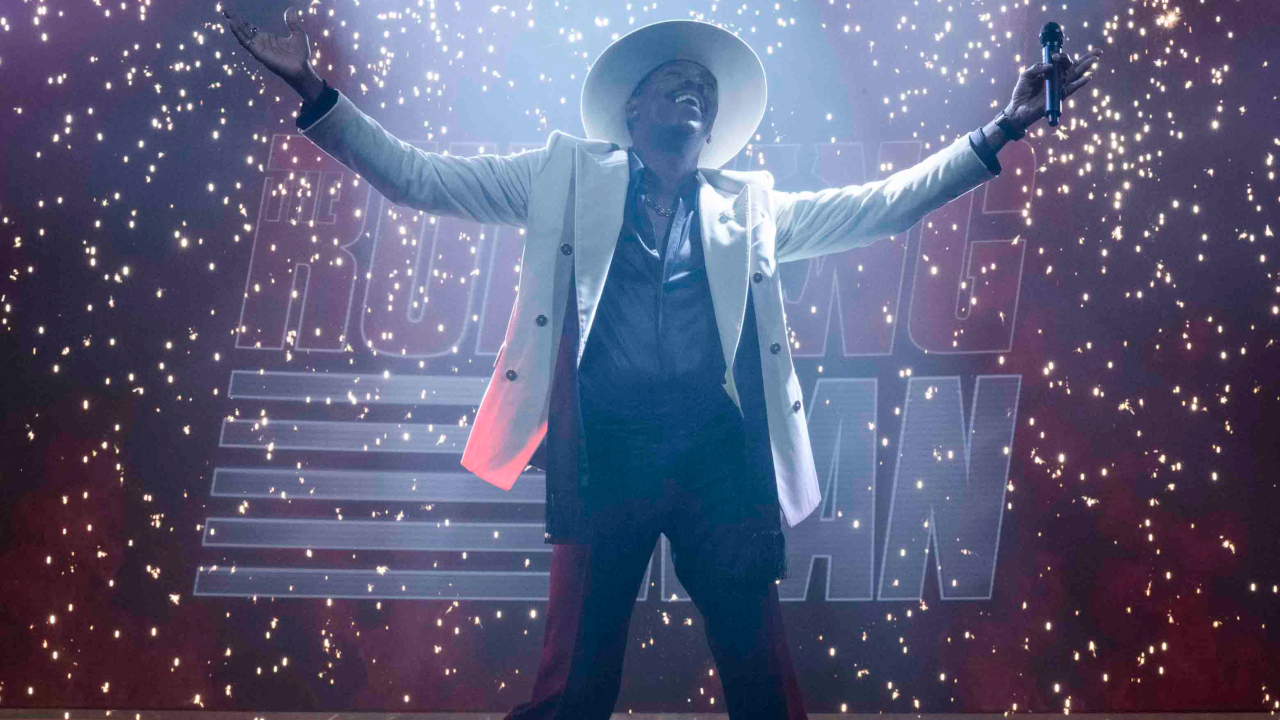
Luckily, Colman Domingo plays Bobby T, the host of The Running Man, and he’s electric every time he’s on screen. The actor clearly “knew the assignment,” as the kids say, and found the exact balance of annoying and exciting, as he elevated every single scene he was in. Unfortunately, these scenes were mostly him offering an overall narration to the home audience to update them on Richards’s status, yet in a movie bogged down with one dull sequence after another, each appearance of Bobby T was a welcome change. Similarly, Michael Cera plays Elton Parrakis, an activist who knows what the network is doing to manipulate its audience, who shows up about halfway through the movie with the tease that we’ll get to see a new dynamic unfold. His scenes are easily the most entertaining of the whole experience, yet after only about ten minutes, Richards moves on from Elton and we’re thrust back into one underwhelming sequence after the next.
Storytellers often use dystopian premises to shed insight into real-world issues cultures and communities face, using the outlandish premise to serve as an allegory to things we’ve struggled with. The Long Walk, for example, and its depiction of youths blindly marching to their deaths for no real reason other than to inspire the nation, was King’s reaction to the Vietnam War. The Running Man uses its storyline to serve as a commentary on how the wealthy disenfranchise those without resources, media manipulates the general public, and how audiences have become brainwashed to both ignore real-life horrors and violence by interpreting it as “entertainment” and how we’d rather watch reality shows about the elite who are actually responsible for our downfall. These themes all feel like the most obvious, lowest-hanging allegories to lean into, all of which have been explored more effectively and with more nuance in countless other pieces of media. As you watch these allegories pan out, you keep expecting there to be some other, unexpected allegory to appear, yet they never do. There is zero subtext to The Running Man, as it’s all so literal that it’s just the text, making any messages the filmmakers tried to get across feel entirely hollow and shallow.
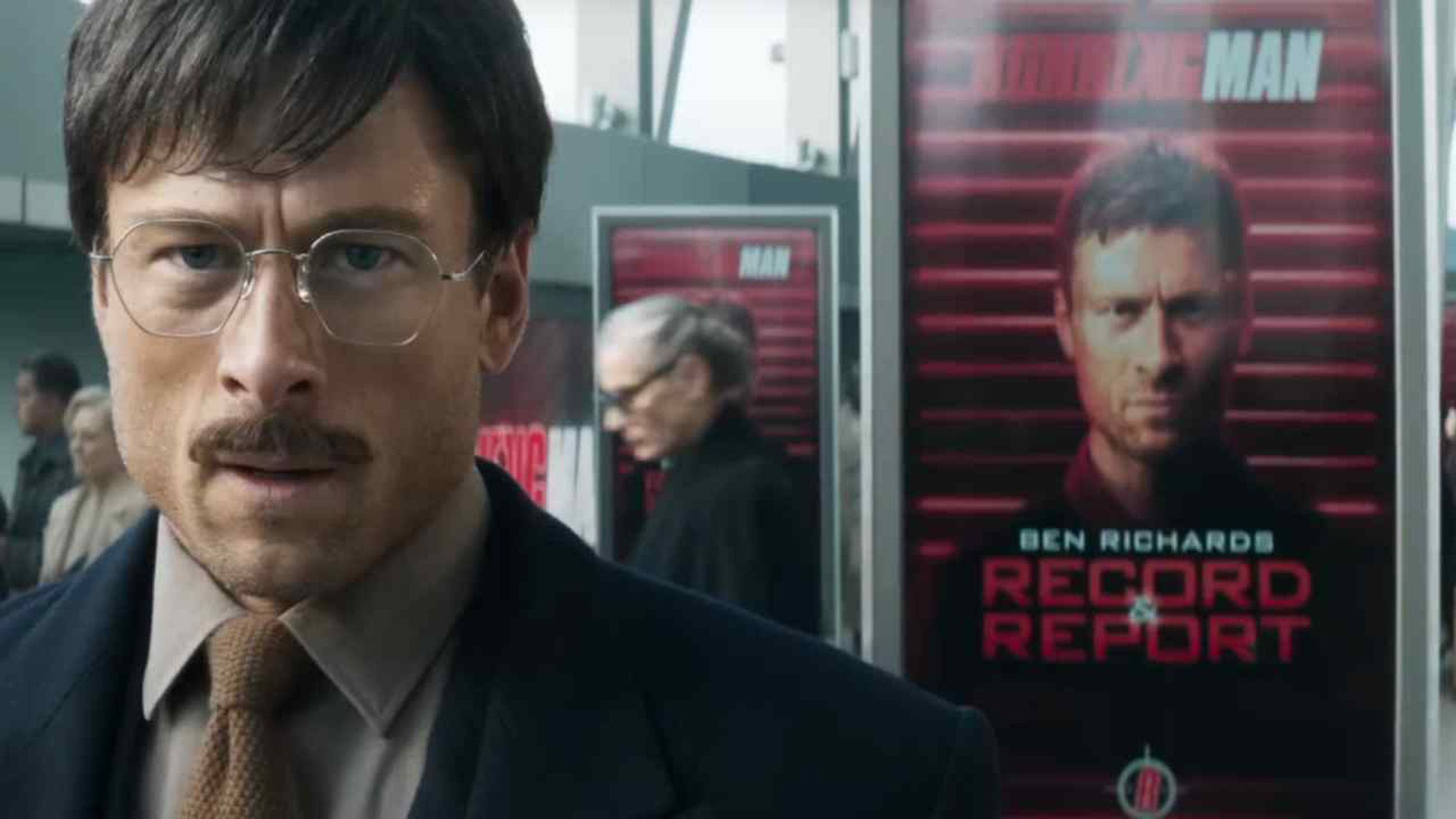
The Running Man might just be one of those stories that was better left having gotten an underwhelming adaptation that deviated from the source material than having any filmmaker attempt to put a fresh spin on it. Wright, Powell, and the rest of the team delivered a very straightforward take on the material that fails to offer much to say, and what it does say is something we can glean for ourselves once we sign on to any social media platform. I can only hope that The Running Man suffered the same fate as Wright’s Ant-Man, which was throttled by Marvel Studios and toned down so much from his more creative vision that he bailed entirely, yet this project got too close to the finish line for him to bail and he had to deliver us this uninspired slop.
Wolfman Moon Scale

 The Wolfman Cometh