
I’m not going to try to act like I knew about filmmaker Chloé Zhao before other people did, because Nomadland is what brought her to my attention. After all of that film’s awards buzz, I did go back and watch her movie The Rider, which I actually liked more than Nomadland! Zhao then did something that many other indie filmmakers do, and took a huge paycheck to do a Marvel movie. Eternals wasn’t abysmal, but it also failed to offer what Marvel fans or what Nomadland fans wanted from another movie from Zhao. With Hamnet, Zhao gets back to her indie-drama roots for an experience that’s occasionally moving, occasionally boring, and often reminding us how great a writer William Shakespeare was.
Before earning the notoriety that allowed him to only be known by his surname, Will (Paul Mescal) finds love with Agnes (Jessie Buckley), despite his family claiming she was a forest witch. They manage to build a loving family together as Will still finds the time to work on his writing, only for tragedy to strike, with their son Hamnet dying at a young age. The parents attempt to cope with this death in their own ways, with Will’s method being to incorporate his experiences and feelings into the play Hamlet.

Both in The Rider and Nomadland, Zhao delivered an intimacy and authenticity that felt like she wasn’t even filming actors, she was filming real people in real situations. This quality wasn’t entirely present in Eternals, though Hamnet immediately takes you back to a more organic and grounded world. However, with her previous films being set in modern times, witnessing her directorial eye depicting the 16th century feels more like we’re watching performers from a Renaissance Faire wandering through the woods. I fully understand that the isolation these characters are feeling and the distance felt between their rural home and the potentially more lavish surroundings is key to establishing the tension between Will and Agnes, but Hamnet has an overly digital look through much of its run time that makes it difficult to actually immerse yourself in the story. Watching Hamnet feels less like an immersive experience and more like we’re watching talented actors in old-timey clothes pretending to be other people.
Despite the film’s cinematography creating a distance between the viewer and the story, Buckley’s performance is fantastic and transcends any sort of directorial limitations that Hamnet suffers from. The movie might be lighthearted earlier on as Will tries to court Agnes, yet it never falls into the traps of being an outright rom-com, largely thanks to Buckley’s nuanced and mysterious performance. The agony Agnes goes through, both physically and mentally, is palpable, as is the tense fallout between her and Will as they attempt to navigate their lives after Hamnet’s death. Mescal also gets to have moments of more effective, visceral emotions, though this Will mostly looks and feels like Mescal walked onto set ten minutes before filming started and just changed into whatever wardrobe was handed to him and that he still probably has his cell phone in his pocket. Jacobi Jupe as the young Hamnet also gets to deliver some quite moving sequences, making him feel like a major discovery.
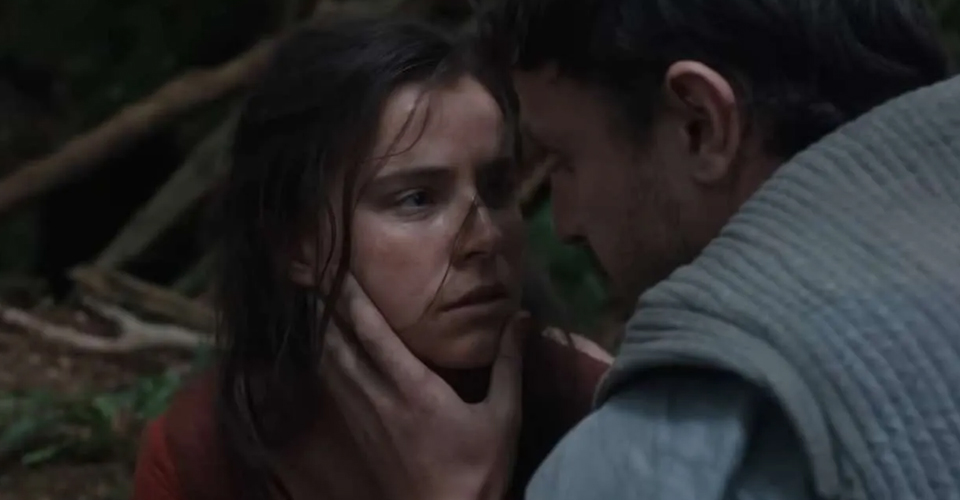
The bigger theme about this movie that worked well and really resonated with me was its exploration of both how developing art and consuming art can help one process their own emotions. As someone who struggles with their own emotions, unless I have movies, TV, or music to use as a conduit to help process those emotions, I fully understood how Will could have difficulties conveying what he was going through to Agnes in any “real” way and had to resort to using metaphors in Hamlet or deliver lines of dialogue that he wished he could have said to those closest to him. Conversely, Agnes could only comprehend certain emotional concepts when watching them unfold in her husband’s works, with Hamnet ultimately feeling like a tribute to the power of art as a way of processing, understanding, and conveying emotions.
It also feels like a tribute to what a cool guy Shakespeare was, so if you’re not particularly invested in him, those tributes will feel entirely forced. While a movie like Shakespeare in Love manages to use Shakespeare as a character in a somewhat satirical way, Hamnet treats the figure with the utmost seriousness. Watching Mescal as Shakespeare casually saying some of the most iconic lines of dialogue of the last few centuries in his daily life feels incredibly shoehorned in, robbing them of whatever organic implication they could have had for Shakespeare as a character. Joe Alwyn plays Agnes’ brother, who, at one point, goes looking for his brother-in-law and has to ask a neighbor if they’ve seen William Shakespeare, and with how entirely contemporary this whole movie feels, hearing someone quizzically ask about William Shakespeare with a straight face just made me embarrassed for the actor.
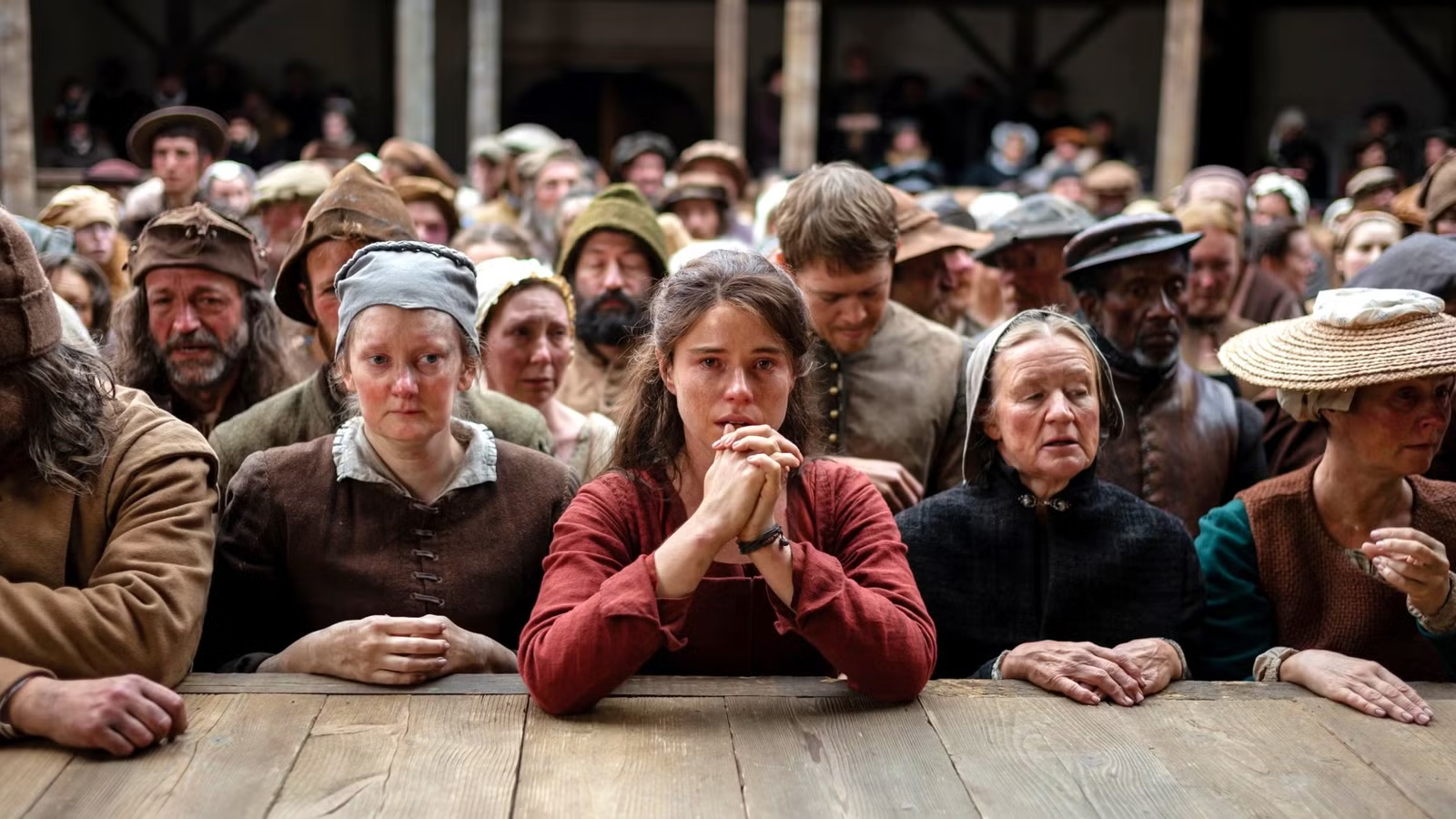
The love for Shakespeare doesn’t end at just watching him come up with his iconic lines of dialogue in his daily life, as we also watch scenes from Hamlet play out within the movie itself, all while adoring fans look on. I can’t say I was actually calculating the screen time, but it felt like I had to sit through 30 minutes that was just the actual play itself unfolding on screen. It’s entirely possible that Hamlet occupies literally five minutes of screen time in Hamnet, which is a testament to just how jarring the shift is from the events of the movie to the events of the play within the movie.
Jessie Buckley is a star and proves it in Hamnet, with this movie earning her the accolades she’s due from critics and audiences alike. Mescal does an adequate enough job as Shakespeare, despite the film’s limitations, and Zhao is more talented in the realm of indie dramas than in the Marvel Cinematic Universe, though she leans so heavily into intimate, naturalistic direction that Hamnet doesn’t feel like we’re being transported to another time or place. If you’re emotionally stunted, as I am, the themes of processing emotions through art are effective, but if you don’t really give much of a crap about Shakespeare, you’ll probably roll your eyes repeatedly as you’re forced to observe his genius.
Wolfman Moon Scale

 The Wolfman Cometh