
Remember how people were obsessed with talking about the Roman Empire recently? I never think about the Roman Empire (or really spend that much time thinking about why anyone would think about the Roman Empire), but heading into seeing The Death of Robin Hood, I couldn’t help but think there was a similar fascination between the two topics. I can say I’ve seen Robin Hood: Prince of Thieves when I was a kid, but that’s about as deep as my connection to the character goes. For filmmaker Michael Sarnoski, it seems as though Robin Hood was a more prominent legend in his upbringing, which is why the concept seemed ripe with potential for reimagining. Or, in other words, a lot of the effectiveness of The Death of Robin Hood will hinge on how much of a connection you have to the legend, regardless of how well-crafted or well-acted the movie is.
Long after his adventures with his merry men, Robin Hood (Hugh Jackman) now lives in the desolate mountains of Ireland. Despite his hermit-like nature, Little John (Bill Skarsgård) tracks him down to help him kill some people. It’s clear quite early on that this version of the legend is not about a bunch of silly friends pulling pranks on the rich to give their money to the poor, this is instead about outlaws who committed all sorts of violent crimes just for the thrill of it, and sometimes these crimes benefited those less fortunate. The task Robin agrees to assist Little John accomplish results in Robin suffering a serious injury, as he goes to a remote priory for treatment. As Sister Brigid (Jodie Comer) treats his wounds, Robin reflects on his life and all the grief he’s left in his wake for the crimes he committed throughout his whole life.
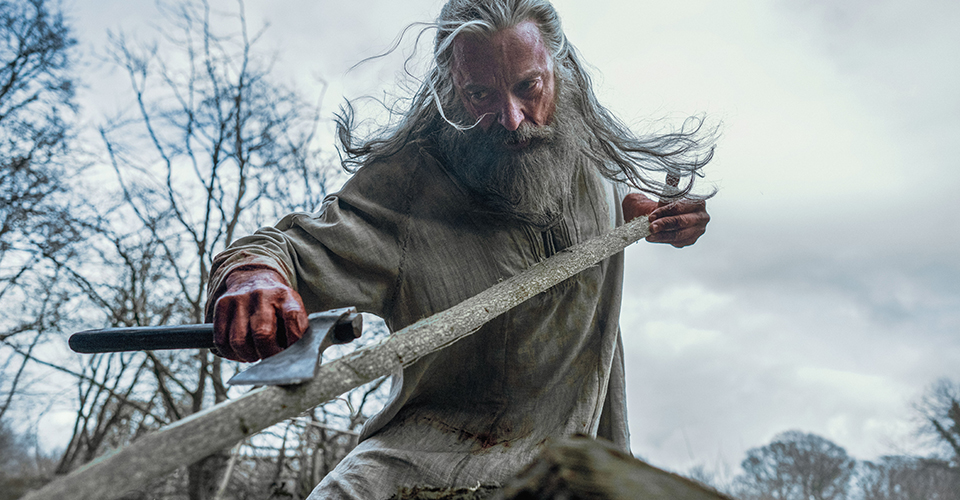
The idea of doing a “gritty reboot” of any character is just a joke at this point, and in the case of Robin Hood, it’s easy to dismiss Death of Robin Hood almost immediately due to the number of gritty reboots the character has gotten. Prince of Thieves was arguably a more grounded take on the concept, Ridley Scott tried to do it with Russell Crowe in 2010’s Robin Hood, and Taron Egerton and Jamie Foxx starred in a reboot in 2018. On paper, a Robin Hood “gritty reboot” causes eyerolls, but it becomes quite evident that Sarnoski isn’t trying to make something that might be considered “cool.” Yes, we do get intense violence in the first act, but rather than depicting these scenes to establish Robin Hood as a badass, it’s to highlight just how ruthlessly brutal the character is in this world, regardless of who his victims might be.
Once we get the brutality out of the way, the movie takes on a much more somber tone. No one at the priory knows who Robin is, and seemingly for the first time in decades, he gets the chance to show his more benevolent side. However, the more time he spends there, the more he realizes he can’t escape his past. If you have any interest in the character of Robin Hood, you’ll like appreciate this darker and more realistic adaptation, specifically of the ballad Robin Hood’s Death. Part of what holds the experience back, though, is that if you’re like me and don’t care about Robin Hood at all, we don’t get enough time with Robin to really care about his legacy, other than the brief recollections he gives about the things he’s done.
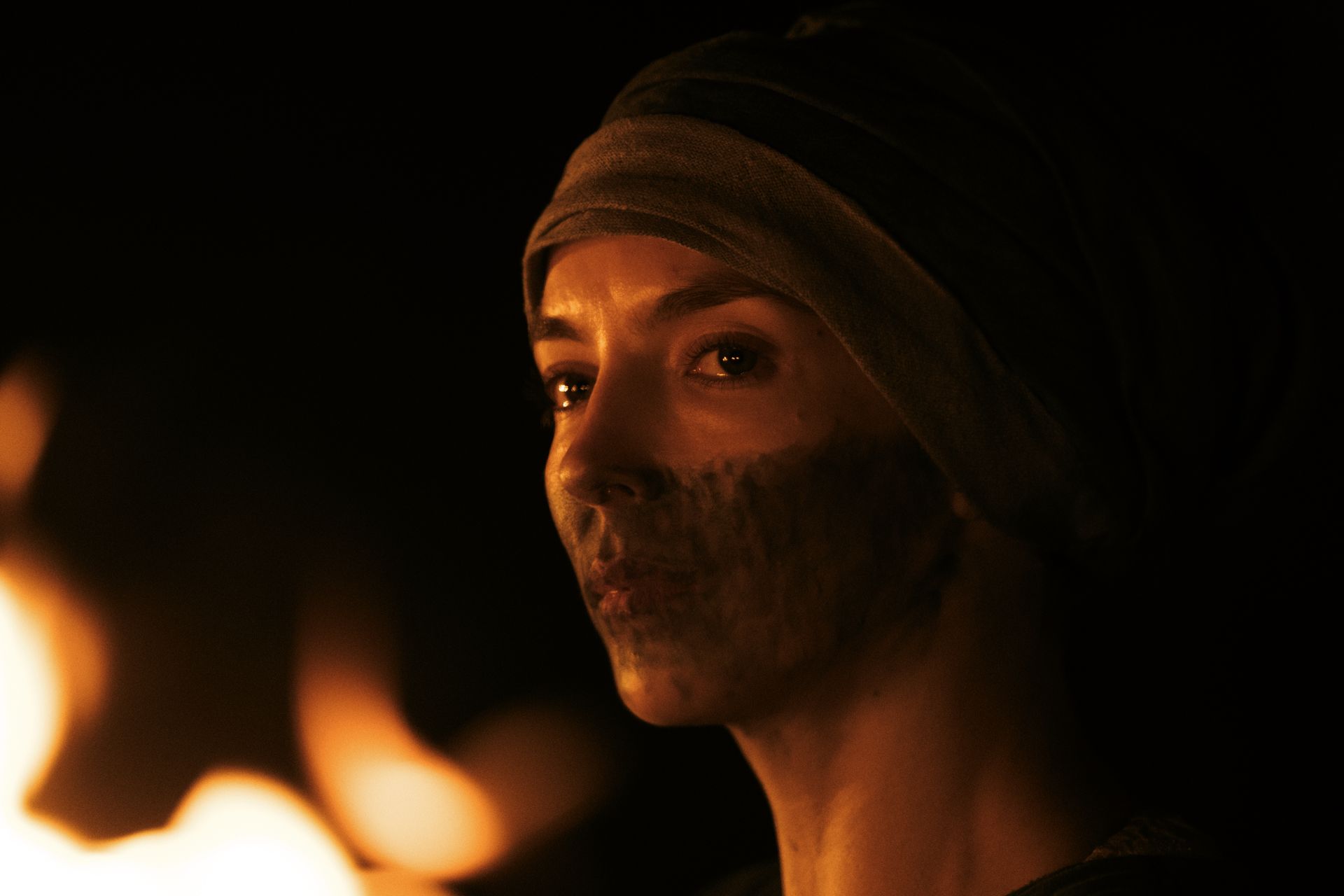
The movie is clearly trying to comment on legacy and cycles of violence and how it’s never too late to start over yet also how there’s only so much violence in one’s past that can be escaped. Sarnoski doesn’t really give us any answers, instead just uses the premise to explore these ideas. Brigid, by nature of her role in the church, doesn’t inquire about Robin’s past, nor would she seemingly judge him for whatever he did before meeting her. She even develops somewhat of a forlorn romance with Robin, despite his gruff demeanor. Similarly, a leper who lives in this priory (played by Murray Bartlett) knows he’s dying but wants to instill lessons in Robin to take care of the community’s fruit trees after his death.
What holds Death of Robin Hood back is how the meditative nature of the back half of the movie explores various themes of legends and legacies, yet doesn’t really say much about them other than highlight how someone towards the end of their life will reflect on their impact on the world. Robin doesn’t seem to show remorse for his actions, more that he reckons with how his ruthless acts created shockwaves of trauma. Additionally, the movie explores ideas of the difference between fact and fiction, memories and reality, and whether it’s best to hold on to the more romantic version of a situation or have those positive thoughts decimated by recalling how events actually unfolded. Robin has caused so much violence in his life that he can’t remember how many men, women, or children he’s killed, or whether certain victims were beheaded, had their ears cut off, or were left naked to die. Sometimes, the less you remember the reality of the situation, the better off everyone is.
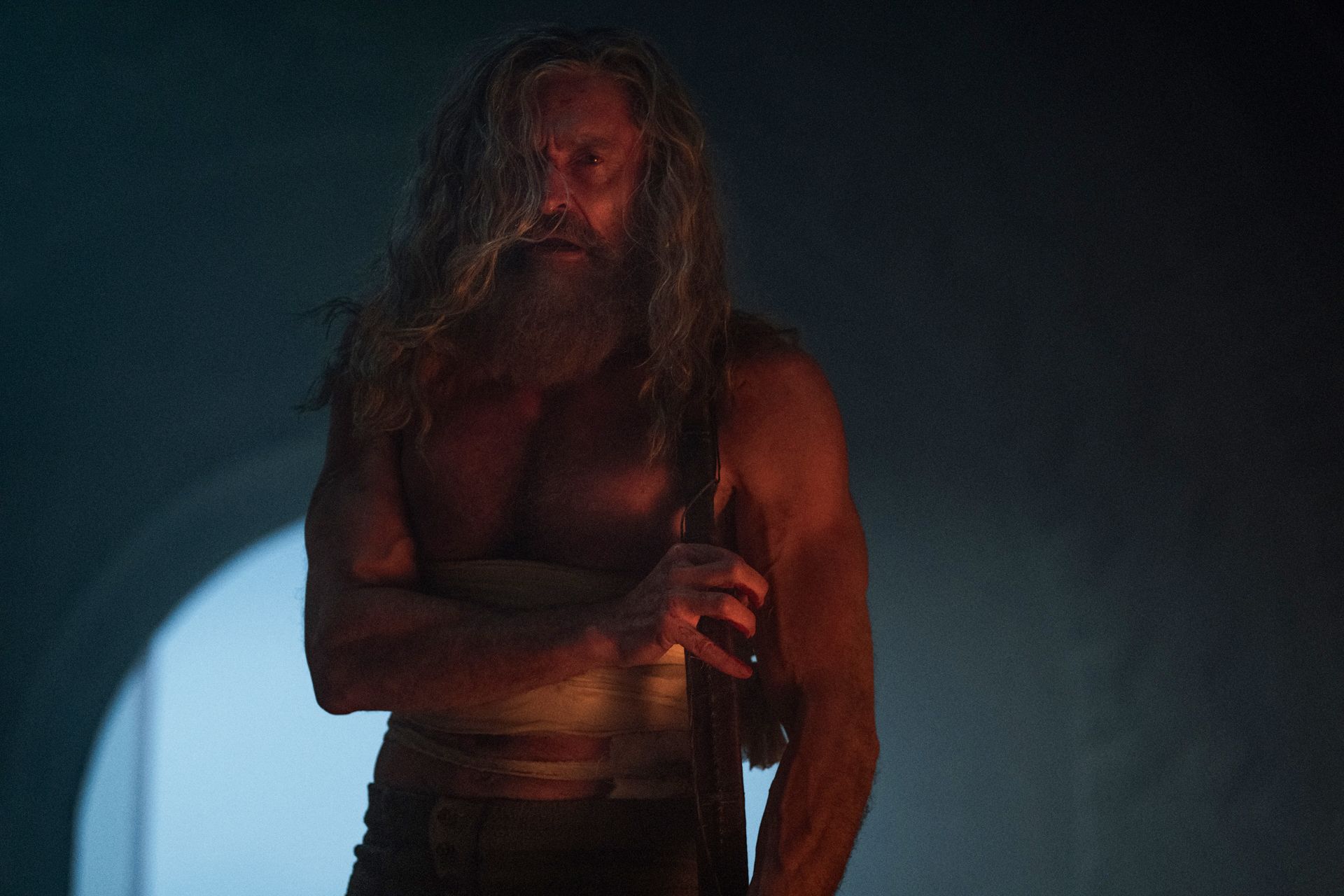
Even though the overall themes of the movie might not fully land satisfyingly, The Death of Robin Hood is still effective. Sarnoski’s direction and script are lush and poetic, depicting the Irish countryside in the 13th century in a way that feels eerie and majestic, yet also gorgeous. Jackman, Comer, and Skarsgård are all competent performers, and they bring the necessary grim and gruff tone to this outing. If you have a preconceived notion of Robin Hood or want to see a darker take on the character that isn’t just John Wick if he was Robin Hood, then The Death of Robin Hood will certainly land with more weight. Otherwise, you’ll likely enjoy the cinematography and the philosophical elements of a man reflecting on his own life in his final days, though the movie makes it difficult to connect with him in any substantial way.
Wolfman Moon Scale


