
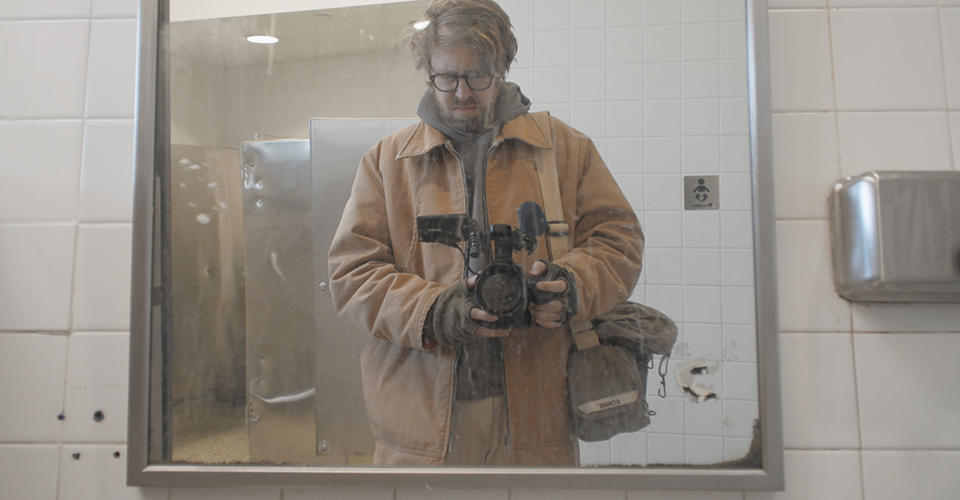
I feel lucky to have gotten in on the How To with John Wilson train relatively early. Given that it debuted during the pandemic, everyone was starved for new post-Tiger King content, and I merely heard chatter that this new show was “good.” Shortly after it premiered, I couldn’t believe a series like this existed, as it highlighted the beautiful banality of everyday life, which especially came in handy at a time when the world had shut down. With each episode and each season, Wilson’s exploits and observations were more ludicrous, absurd, and heartwarming than anything I could imagine, so you can understand why I was excited for his feature-length follow-up, The History of Concrete. While his new documentary essentially feels like a feature-length sequel to his TV series, delivering everything you’d expect from Wilson’s specific brand of insightful-without-trying-too-hard-to-be-insightful creativity, with its only real stumbling block being that this brand of storytelling might be better suited to 30-minute episodes.
As Wilson attempts to grapple with how he’s going to follow-up his TV series, which saw him burning through a massive chunk of his video archives, he lands on the idea of chronicling concrete, an element which feels ever present in virtually every frame of video he has captured over the years. Much like his TV show, what starts as a straightforward and earnest exploration into concrete, journeying from conventions and to brick-laying competitions, he follows the unexpected threads of his interview subjects to find himself in entirely surprising places. Whether he’s in an Italian wax museum, chronicling a 3,100-mile race, or finding out exactly how long a public pool needs to be closed for to recover from diarrhea (25 1/2 hours), Wilson’s endless curiosity about the world around him is incredibly silly and thought-provoking.

It’s hard to compare Wilson’s sense of humor and style to anyone or anything, given how incredibly dry and precise it is, though with Nathan Fielder having produced his TV series and now his movie, The Rehearsal creator’s work might be the closest point of comparison. Wilson’s voiceover delivery of perfectly timed jokes is as sharp as ever, with virtually every on-screen visual gag being as funny as what we were given in How To. Towards the end of Wilson’s TV series, it became clear that he was running out of material, not in that the quality of the show dropped, but in that he regularly spoke to press for the show about how the series allowed him to repurpose years of random footage. The History of Concrete seemingly saw Wilson starting almost from scratch, as he opens with a reflection on his TV series ending as billboards for it still hung in New York City. In that sense, it does feel like Wilson is attempting his best with material that might not be quite as captivating as what we saw in his series, as the filmmaker himself openly ponders the challenges he faces of making such esoteric projects. Given how tonally and conceptually similar The History of Concrete is to How To, this feature feels like a big-screen extension of his previous work, and while other TV series that have made the jump to the big screen at least attempt to find ways to up the stakes, History of Concrete feels a bit like more of the same (though, in this case, the “same” is quite good).
Along those lines, one joy of How To was how a premise like “How to Cover Your Furniture” would bring us to a man attempting to restore his foreskin, or the premise “How to Remember Your Dreams” bringing him to an Avatar fan club that felt more like a support group for those lamenting how they could never really visit the world of Pandora. While one might think Wilson saved the most unexpected footage for a big-screen experience, taking us to places we never could have anticipated, the movie itself doesn’t quite deliver in that regard. The filmmaker does meet quite a few fascinating individuals, of course, from embalmers to hopeful musicians, yet the entire journey feels a bit more mundane than what he has previously offered.
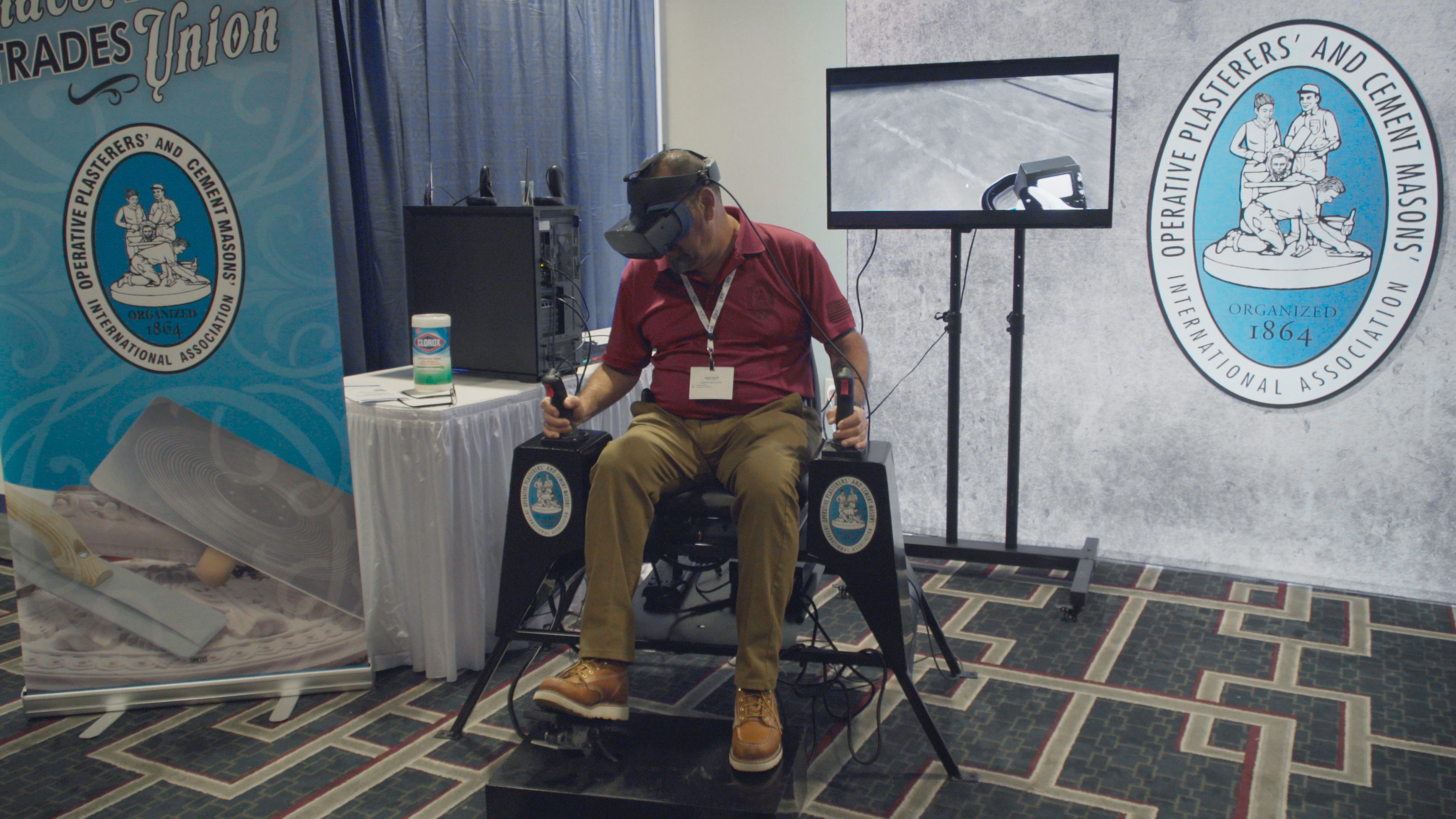
In that sense, though, The History of Concrete honors its premise more faithfully than anything he did with his TV show. As one of the more famous figures who chronicles daily life in New York City, Wilson does lean more strongly into the the city’s crumbling infrastructure. At one points, two masons explain how they feel that the quality of concrete has diminished in recent decades, seemingly the same way companies intentionally make cars or other pieces of tech with expiration dates so that they must be replaced sooner. Using lower quality concrete ensures that more concrete will need to be purchased more quickly, regardless of how that quality impacts those who encounter it more regularly. It could be argued, then, that The History of Concrete is a much more contemplative experience, especially given how he highlights the Tibetan Buddhist tradition of creating intricate artwork with sand, only to result in them wiping it away upon completion. Like these pieces of art, like seemingly permanent concrete, absolutely nothing last forever, a fact that the viewer must confront in regards to our own mortality, no matter how grim a thought this might be.
If you like John Wilson’s previous work, then you’ll enjoy The History of Concrete to at least some degree. If you’re unfamiliar with his work, then the experience of watching the movie might be a slightly toned-down version of the more quickly paced episodes of his TV show, potentially making his style feel a bit more accessible and inspiring you to track down more from him, or potentially being a complete turnoff. Regardless of your familiarity with his work, the movie ensures you’ll never look at concrete the same way ever again, and that you’ll approach even the most mundane thing you encounter each day is appreciated through a new perspective.
Wolfman Moon Scale


